Valle d’Aosta: Castles, Fortresses, and Historic Residences of a Timeless Region
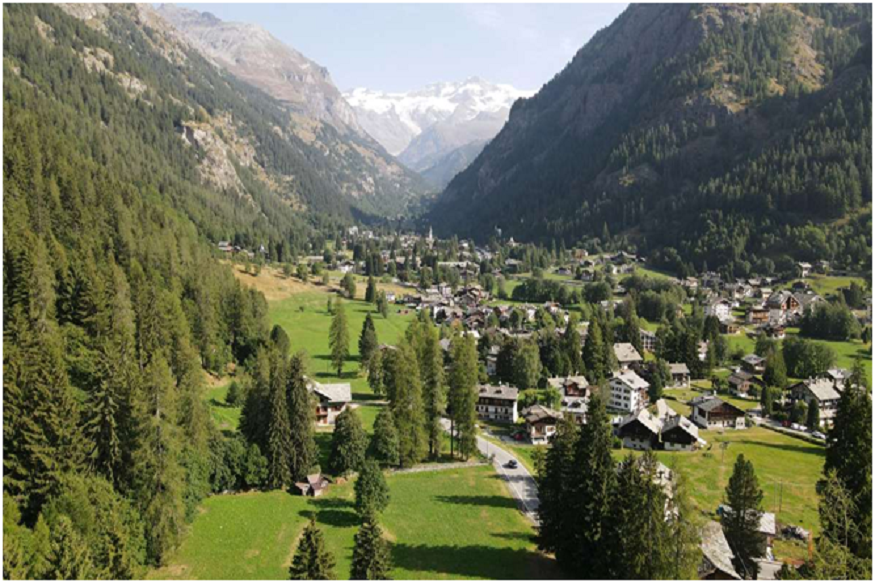
Italy’s smallest region, Valle d’Aosta, might cover a compact patch of the Alps, but its cultural and architectural footprint is immense. Between peaks that scrape the sky and valleys cut by centuries of glacial water, this region preserves an extraordinary concentration of castles, fortresses, and manor houses — each one a fragment of history standing against time.
What makes Valle d’Aosta remarkable is how tangible its past feels. The Middle Ages aren’t confined to museum exhibits; they line the road, crown the hills, and appear suddenly around every bend. In a single day, you can move from one century to another, tracing a narrative of power, defence, and beauty that still defines the region’s identity.
A Landscape Written in Stone
Driving through the central valley from Aosta toward Courmayeur is like passing through an open-air chronicle of medieval Europe. Fortresses and noble residences appear at regular intervals — reminders that this was once a strategic route between Italy and France.
Read More : Comfort, Convenience, and Coordination: The New Rules of Group Travel
Among the most famous is the Fénis Castle, a perfect example of feudal architecture with its towers, battlements, and frescoed courtyard. Built not for war but to impress, it reflects the sophistication of the Challant family, one of the region’s most influential dynasties. Inside, murals depict scenes of chivalry and virtue — a visual guide to the values of its time.
A short drive away stands Issogne Castle, strikingly different in mood. Its exterior is simple, but the interiors are alive with Renaissance detail: painted arcades, domestic scenes, and a loggia that still carries the warmth of daily life. Here, you don’t just observe history — you sense the rhythm of the people who lived it.
Fortresses that Shaped the Alps
Valle d’Aosta’s geography made it a natural stronghold, and its castles reflect that defensive spirit. The Forte di Bard, perhaps the most iconic fortress in the region, dominates a rocky outcrop above the Dora Baltea river. Originally built in the sixth century and rebuilt by the House of Savoy, it has guarded the valley’s main route for centuries.
Today, it serves a very different purpose: housing the Museum of the Alps and hosting international art exhibitions. The contrast between its austere exterior and cultural energy inside makes Bard one of the most compelling examples of adaptive heritage in Europe.
Farther north, the ruins of Graines and Cly Castles stand as quiet sentinels of the past, offering hikers sweeping views across alpine meadows and snow-lined ridges. Each fortress tells a part of the same story — of control, survival, and eventual transformation.
Living History: The Charm of Noble Homes
Not all treasures in Valle d’Aosta were built for war. The region also preserves elegant historic homes in Val d’Aosta, once the residences of nobility and merchants who shaped local culture and politics. Many have been carefully restored, opening their doors to visitors interested in art, architecture, and the stories of those who lived behind these ancient walls.
Read More : Is Growing Your Own Herbs Worth It?
In towns like Aosta, Gressan, and Arvier, small museums and private estates reveal interiors filled with period furniture, family crests, and painted ceilings that echo a quieter side of medieval life. Unlike the grand fortresses, these houses speak of continuity — of families who adapted to modernity without erasing their roots.
A Region That Guards Its Memory
Visiting Valle d’Aosta is not just about admiring architecture — it’s about witnessing how history survives in everyday life. Locals still celebrate medieval fairs, wear traditional costumes, and pass down legends tied to each tower and fortress. The sense of identity here is both proud and protective, a blend of mountain resilience and cultural refinement.
Whether you walk through Fénis’s frescoed corridors or climb the steps of Bard at sunset, you’re reminded that these structures were never built to impress us centuries later — they were built to endure.
And in Valle d’Aosta, endurance is its own kind of beauty.